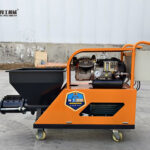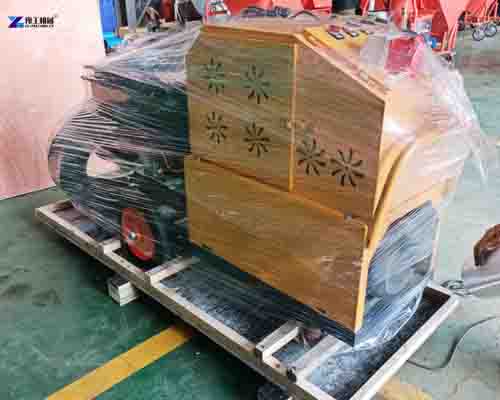
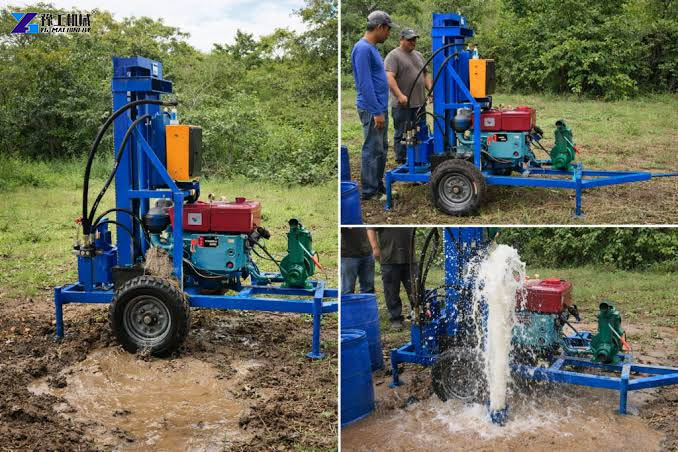
A portable borewell drilling machine is a compact system for accessing underground water. It drills 4 to 19 inch holes up to 120 meters deep for farm irrigation, residential wells, and community supply. The main benefit is mobility. These lightweight units fit through narrow gates and work in tight spaces where large rigs cannot go. This makes them perfect for homes and remote sites. If you need a dependable water source, this equipment offers a practical solution. Contact YG, a professional manufacturer, for more information on models for your project. 【WhatsApp/WeChat/Skype/Phone】+86 159 3715 2330
YG Portable Borewell Drills Specifications-OEM Support
Portable borewell drilling equipment comes in various configurations. The right model depends on your depth requirements, ground conditions, and mobility needs. A small well drilling rig is available for shallow residential wells, while more powerful units handle deeper boreholes.
| Model | YG180 | YG240 | YG280 | YG350 | YG500 |
| Voltage | 220V | 220V | 380V | gasoline/diesel | 380V |
| Power | 1.5-2kw | 4kw | 3kw | 8HP | 5.5kw |
| Drilling hole | 80-200mm | 80-220mm | 80-350mm | 80-280mm | 80-500mm |
| Drilling depth | 80M | 100M | 100M | 120M | 120M |
| Drilling rod | Φ42mm,1.5m | Φ51mm,1.5m | Φ51mm,1.5m | Φ51mm,1.5m | Φ65mm,2m |
| Pump power | 2.2kw | 2.2kw | 2.2kw | 3.5HP | 5.5kw |
| Dimension | 0.7*0.7*2.5m | 0.7*0.7*2.5m | 0.8*0.8*2.7m | 0.8*0.8*2.7m | 1*1.5*2m |
| Weight | 120KG | 150KG | 250KG | 200KG | 600KG |
These specifications show that a portable borewell drilling machine can handle a variety of projects. A mini well drilling rig weighing under 200kg is excellent for backyard use. Larger models with 8,800 Nm torque can handle deeper and harder formations.
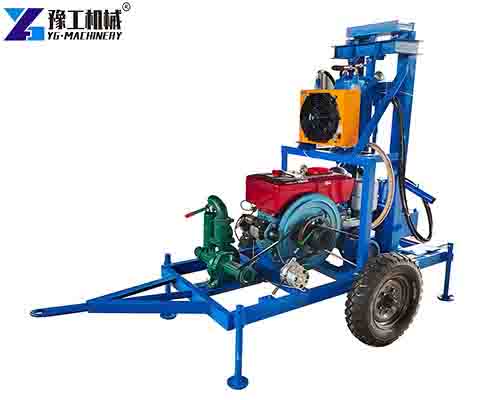
How the Machine Works
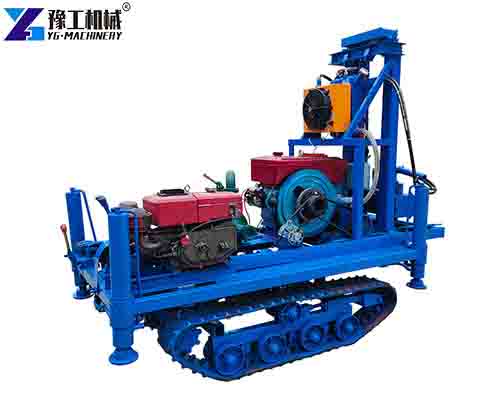
The portable borewell drilling machine uses rotary drilling methods. The power source drives a rotating drill head that turns the drill pipe and bit. The bit cuts through soil and rock to create the borehole. Drilling fluid or air is pumped down the pipe to cool the bit and carry cuttings up and out of the hole.
The machine uses hydraulic or mechanical feed systems to apply downward pressure. This helps the bit advance through harder ground. Most models can drill vertically or at angles between 75 and 90 degrees. A winch or hoist system lifts the drill pipe in and out of the hole. This simple but effective design makes the portable borewell drilling machine reliable and easy to operate.
Applications for Portable Borewell Drills
Portable borewell drilling equipment serves many purposes. Its versatility makes it valuable for different types of projects.
- Residential Water Wells: Provide drinking water for homes in rural and suburban areas.
- Farm Irrigation: Access groundwater for crop watering and livestock.
- Community Water Supply: Drill boreholes for small villages and remote communities.
- Geological Survey: Collect soil and rock samples for site analysis.
- Geothermal Drilling: Install ground-source heat pump systems.
- Small Construction Piling: Drill foundation holes for farmhouses and small buildings.
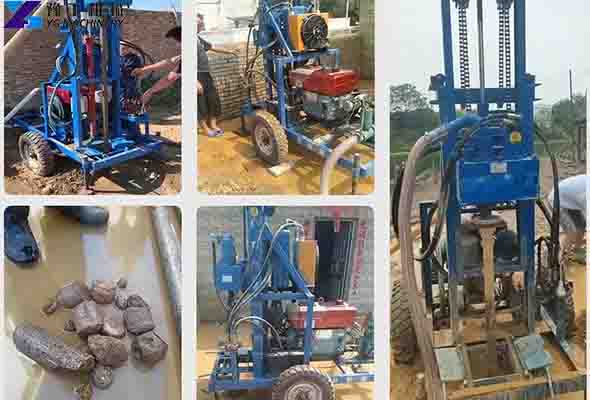
The small well drilling rig is particularly useful for projects where large rigs cannot access the site. Its compact size allows drilling in backyards, farms, and narrow streets.
Small Water Drilling Rig Hole Diameter and Depth Capabilities
The portable borewell drilling machine offers flexibility in hole size and depth. Different models serve different needs.
Hole Diameter Options
Most portable borewell drilling equipment can drill holes from 50mm to 350mm in diameter. A 4-inch (100mm) hole is standard for residential water wells. A 6-inch (150mm) hole provides more water flow for farms and communities. Some machines can drill up to 12 inches for large agricultural projects.
Depth Capabilities
- YG180 and YG240: 80-100 meters depth. Good for shallow water tables and backyard wells.
- YG280 and YG350: 100-120 meters depth. Suitable for most residential and farm needs.
- YG500: 120 meters depth. Can reach deeper aquifers in drier regions.
The depth you need depends on the water table in your area. A small well drilling rig with 100m capacity is sufficient in many regions. In areas with deep water tables, a more powerful mini well drilling rig with greater depth is required.
Ground Conditions and Drilling Performance
The performance of a portable borewell drilling machine varies with ground conditions. Understanding the soil and rock types helps you choose the right approach.
Common Ground Conditions
- Sandy Soil: Easy to drill. The hole may collapse without casing. Drilling fluid helps stabilize the hole.
- Clay: Provides good hole stability. Drilling is slower but steady.
- Gravel and Cobbles: Can be challenging. Bits may wear faster. Casing is often needed.
- Soft Rock (Limestone, Sandstone): Drills well with standard rotary bits.
- Hard Rock (Granite, Basalt): Requires diamond bits or DTH hammers. Drilling is slower but possible.
The portable borewell drilling machine is designed to work in most of these conditions. Choosing the right bit and drilling method makes a big difference.
Drilling Speed Estimates
- Sandy Soil: 5-10 meters per hour
- Clay: 3-6 meters per hour
- Soft Rock: 2-4 meters per hour
- Hard Rock: 1-2 meters per hour
These are general estimates. Actual speed depends on machine power and operator skill.
Well Casing and Screen Installation
After drilling, the well needs casing and a screen. This is a standard part of the well completion process.
Well Casing
Casing is a pipe inserted into the borehole. It keeps the hole open and prevents contamination. Common casing materials are:
- PVC Pipe: Affordable and corrosion-resistant. Used for most residential wells.
- Steel Pipe: Stronger and more durable. Used for deeper wells and rocky ground.
- HDPE Pipe: Flexible and resistant to chemicals. Good for some farm applications.
The casing diameter should match the hole size. A 4-inch hole uses 4-inch casing. The casing extends from the bottom to above the ground surface.
Well Screen
A screen is placed at the bottom of the casing. It allows water to enter while keeping sand and gravel out. Screen types include:
- Slotted PVC: Plastic pipe with cut slots.
- Perforated Pipe: Holes drilled into the casing.
- Wire-Wrapped Screen: A metal screen wrapped around the casing.
The portable borewell drilling machine can install casing and screen during the drilling process. This saves time and ensures a proper fit.
Water Yield and Pump Selection
The amount of water a well produces is called yield. It is measured in liters per minute or gallons per minute.
Factors Affecting Yield
- Aquifer Thickness: Thicker aquifers produce more water.
- Permeability: How easily water flows through the rock or soil.
- Well Depth: Deeper wells may tap into more productive zones.
- Screen Length: Longer screens allow more water to enter.
Pump Selection
After drilling with a portable borewell drilling machine, a pump is installed to bring water to the surface.
- Submersible Pump: Placed at the bottom of the well. Good for deep wells.
- Jet Pump: Placed at the surface. Works for shallow wells under 30 meters.
- Solar Pump: Uses solar panels. Ideal for remote areas without grid power.
The pump size depends on the well depth and the amount of water needed. A small well drilling rig is often used with a submersible pump for residential water supply.
Transportability and Site Access
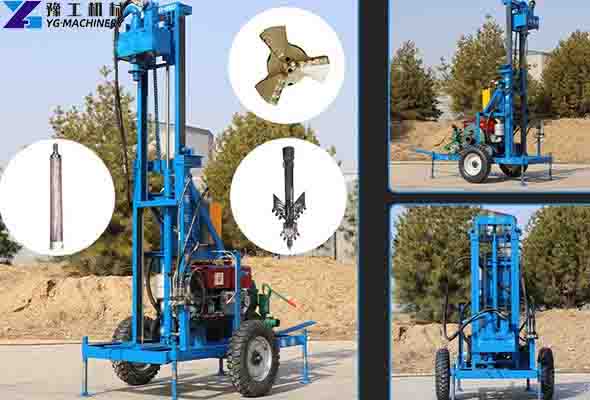
The main advantage of a portable borewell drilling machine is how easily it moves from one site to another.
Transport Methods
- Pickup Truck: Small models can be loaded onto a pickup bed.
- Light Trailer: Many models come with a trailer for towing.
- Container Shipping: Some models fit into a standard shipping container for export.
- Disassembly: Some rigs can be taken apart for transport in difficult terrain.
Site Access Considerations
- Gate Width: The machine must fit through entry points. Compact models are under 1 meter wide.
- Ground Conditions: Wheeled models work on firm ground. Tracked models handle soft or uneven ground.
- Slope: Some models can work on slopes up to 20 degrees.
- Power Source: Diesel-powered machines do not need grid power. Electric models need nearby outlets.
A mini well drilling rig is designed for maximum site access. It can reach places that larger rigs cannot.
Common Challenges and Solutions
Drilling with a portable borewell drilling machine can face challenges. Knowing how to handle them helps keep projects on track.
Challenge 1: Hole Collapse
- Problem: The borehole walls cave in.
- Solution: Use drilling fluid or install casing immediately.
Challenge 2: Stuck Drill Pipe
- Problem: The pipe gets stuck in the hole.
- Solution: Use a swivel or back-reaming to free it. Prevent by maintaining good fluid flow.
Challenge 3: Slow Drilling in Hard Rock
- Problem: Progress is very slow.
- Solution: Switch to a DTH hammer or diamond bit. Increase torque if the machine allows.
Challenge 4: Water Inflow During Drilling
- Problem: Water enters the hole unexpectedly.
- Solution: Add weighting agents to the drilling fluid. Use heavier casing.
Challenge 5: Bit Wear
- Problem: The bit dulls and stops cutting.
- Solution: Inspect bits regularly. Replace or sharpen as needed.
A portable borewell drilling machine can handle these challenges with proper technique and preparation.
FAQ – Frequently Asked Questions
1. What is the maximum depth a portable borewell drilling machine can reach?
Depth varies by model. Smaller rigs can drill to 80-100 meters. Larger portable units can reach 150-200 meters under good conditions.
2. Can a portable drill handle hard rock?
Yes, if equipped with the right bits. Diamond bits and DTH hammers allow drilling through hard rock formations. Machine power (torque) is a key factor.
3. How long does it take to drill a borehole?
Time depends on depth and ground conditions. A 100-meter borehole in soft soil might take 1-2 days. Hard rock drilling takes longer.
4. What size hole can this machine drill?
Most portable borewell drills can drill holes from 75mm to 350mm diameter. This covers both residential water wells and larger agricultural boreholes.
5. Is training required to operate the machine?
Operation is generally simple and user-friendly. Brief training or instruction is recommended for safe and efficient use.
YG – Your Professional Portable Borewell Drilling Machine Manufacturer
YG is a professional manufacturer specializing in the design and production of portable borewell drilling equipment. Our machines are engineered with reliable components to deliver consistent performance across various ground conditions. We focus on portability and ease of use, helping customers access groundwater efficiently. YG provides complete support, from product selection to spare parts and technical assistance. If you need a dependable portable borewell drilling machine for your water well projects, contact YG today. 【WhatsApp/WeChat/Skype/Phone】+86 159 3715 2330