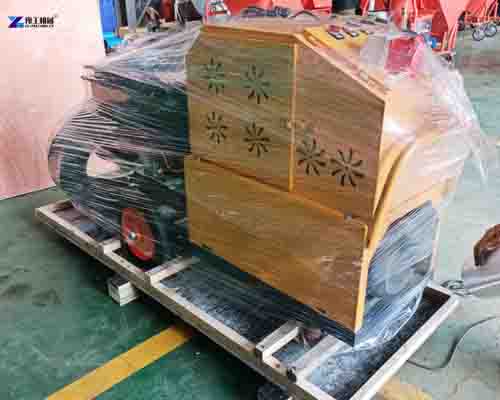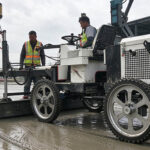
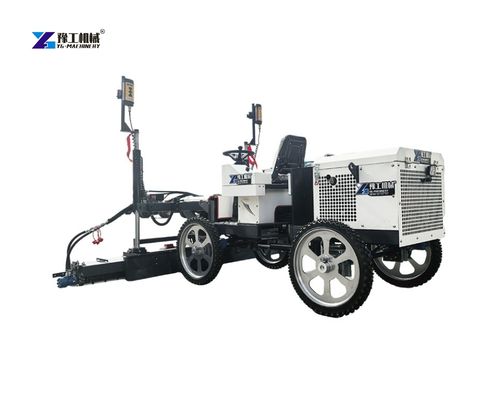
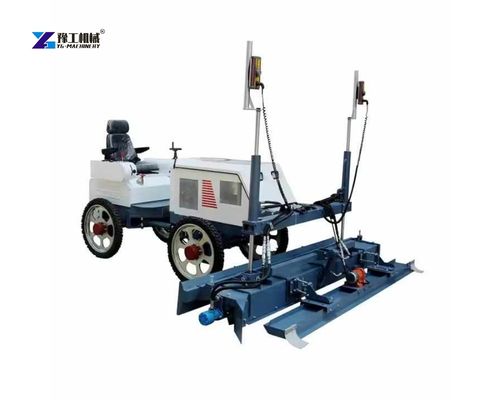
A concrete laser screed machine is a piece of equipment used to level and flatten large areas of wet concrete. It uses a laser transmitter to set a constant grade reference. The machine then automatically adjusts the screed head to match this level. This technology removes the need for manual string lines and guesswork.
The result is a floor that is extremely flat and precise. Traditional methods often leave bumps or dips. This machine solves that problem. It is the standard tool for building modern warehouses, factories, and distribution centers.
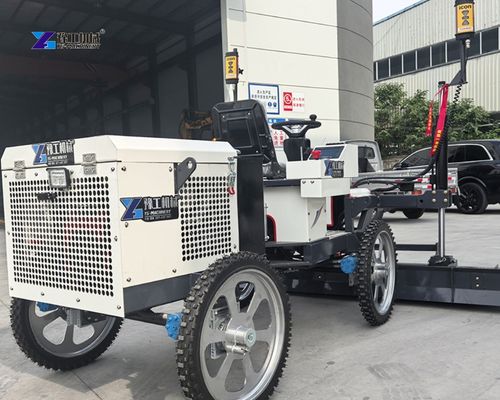
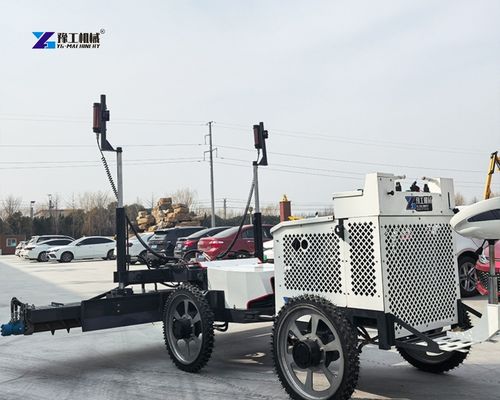
YG Concrete Laser Screed Machine Specifications-OEM Support
| Model | YGJX31 | YGJX32 | YGJX33 | YGJX34 |
| Engine | ||||
| Model | Generator set | GX390 Electric start | GX390 Electric start | GX390 Electric start |
| Power | 2.0kW | 13hp/3600rpm | 13hp/3600rpm | 13hp/3600rpm |
| Fuel tank (L) | 14.5 | 6.5 | 6.5 | 6.5 |
| Running device | ||||
| Drive | Motor | Hydraulic motor | Hydraulic motor | Hydraulic motor |
| Running mode | Infinitely variable speed | Handle control, stepless speed | Handle control, stepless speed | Handle control, stepless speed |
| Running speed(m/min) | 0-36 | 0-45 | 0-65 | 0-45 |
| Suggest working speed(m/min) | 5 | 5 | 5 | 5 |
| Screed head | ||||
| Type | Self-leveling | Electric control, self-leveling | Self-leveling | Hydraulic control, self-leveling |
| Width | 2500mm | 2500mm | 2500mm | 2500mm |
| Exciting force | 500N | 500N | 500N | 500N |
| Vibration frequency | 50Hz | 50Hz | 50Hz | 50Hz |
| Laser control system | ||||
| Control type | Microcomputer laser scan | Microcomputer laser scan | Microcomputer laser scan | Microcomputer control |
| Operation mode | Walk-behind | Walk-behind | Walk-behind | Walk-behind |
| Forward and reverse | Handgrip control, stepless speed-walking | Hydraulic control | Handgrip control, stepless speed-walking | Hydraulic control |
| Size and weight | ||||
| Working size(mm) | 2758*2622*1980 | 2740×2659×1980 | 2578×2643×1980 | 2780*2622*1980 |
| Weight(kg) | 295 | 365 | 380 | 410 |
5 Applications Of Laser Screed Machines
A concrete laser screed is not for small jobs. It is made for massive projects where floor flatness is critical. Here are the common uses for this equipment.
- Industrial Warehouses: These floors need to be level for high-bay racking systems. Forklifts need smooth surfaces to operate safely and efficiently.
- Distribution Centers: High-traffic areas need durable floors. A laser-screeded floor provides a dense, hard-wearing surface.
- Airport Runways and Hangars: Precision is key for aircraft movement. The machine helps achieve the exact specifications required for aviation surfaces.
- Large Retail Spaces: Shopping malls and big-box stores use these machines for their massive floor plates.
- Sports Arenas: Special floors for sports often require a very flat substrate.
Choosing the right concrete laser screed machine ensures these projects meet strict quality standards. The technology allows for “slope” and “dual slope” pours, which are often needed for drainage.
How To Choose A Reliable Supplier
You are not just buying a machine; you are buying a solution. The supplier you choose is crucial for your success. Consider these factors when looking for a concrete laser screed for sale.
- Request Video Demos: A picture is not enough. Ask for a video showing the machine in action on a live job site. This proves it works.
- Check Certification: For EU imports, the machine must have CE marking. For North America, check for EPA compliance.
- Test Compatibility: The laser system is the brain. Ensure the machine works with common grade systems like Topcon or Trimble.
- Compare Pricing Tiers: Prices vary widely. A basic model might cost a few thousand dollars. Advanced ride-on models can cost over $10,000.
A good supplier will be responsive. If they take hours to reply to a simple question, they will likely be slow with after-sales support. Look for suppliers who offer customization options. You might need a different engine type or specific branding on the machine.
Operation And Safety
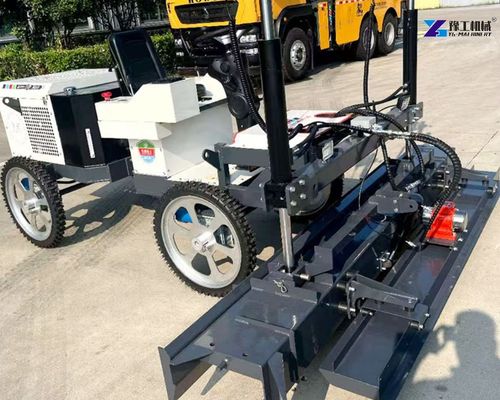
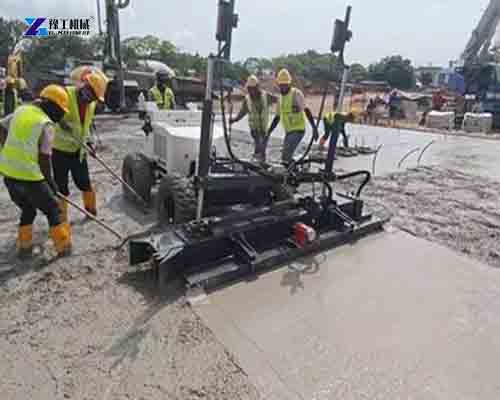
Operating a concrete laser screed is easier than it used to be. Modern machines often feature simple joystick controls. Many new models offer wireless remote control. This allows the operator to step away from the machine. They can then view the job from the best angle, away from dust and noise.
The machine also features self-leveling legs. These ensure the machine stays stable on uneven ground . Here are some safety tips to follow on the job site:
- Clear the Area: Keep the work area free of unnecessary personnel. The machine is heavy and moves on wet concrete.
- Check Fluid Levels: Always check engine oil and hydraulic fluid before starting work.
- Understand the Laser: Only trained staff should set up the laser transmitter. This is the key to achieving a flat floor.
Common Mistakes To Avoid On The Job
Using a concrete laser screed machine seems straightforward. However, small errors can ruin a floor slab. Avoid these common mistakes to save time and material costs.
Skipping The Setup Check
Many operators rush to start pouring. This is a big risk. Always run a test pass before placing any concrete. Check that the laser transmitter is stable and properly calibrated. A shaky setup leads to an uneven floor. You cannot fix this later without expensive grinding.
Ignoring Concrete Consistency
The machine levels the concrete, but it does not fix a bad mix. Concrete that is too wet will sag after screeding. Concrete that is too dry will not compact well. Work with your ready-mix supplier to get the right slump. A consistent mix is just as important as the machine itself.
Overworking The Screed Head
Moving the machine too fast is a common error. The screed head needs time to vibrate and consolidate the concrete. Rushing leaves a rough surface. It also causes the machine to weave, creating low spots. Keep a steady, moderate speed for the best finish.
Poor Communication On Site
The laser operator and the machine driver must work together. If they are not in sync, the floor will have waves. Use clear hand signals or radios. Make sure everyone knows the target floor elevation before starting .
Avoiding these errors helps you get the most from your concrete floor leveling machine. A smooth job saves money and keeps your crew productive.