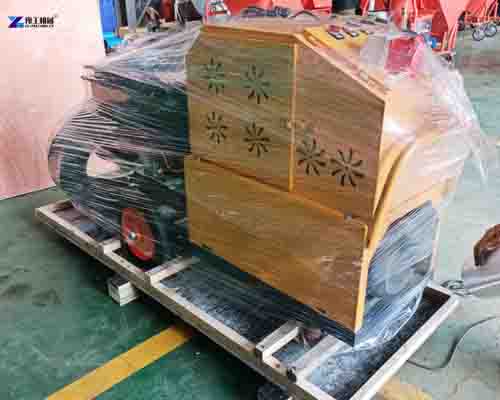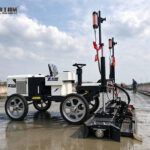
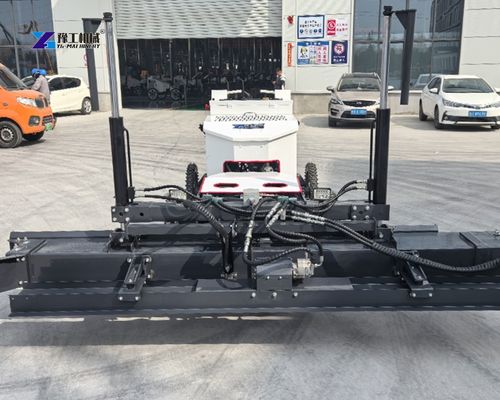
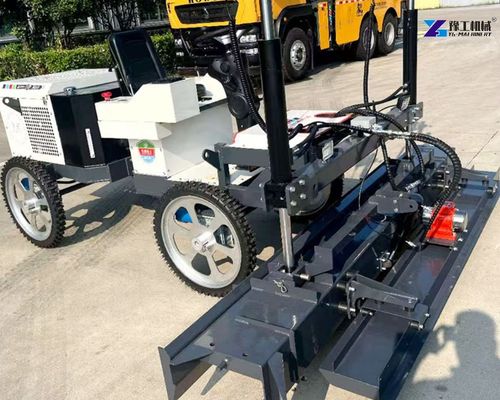
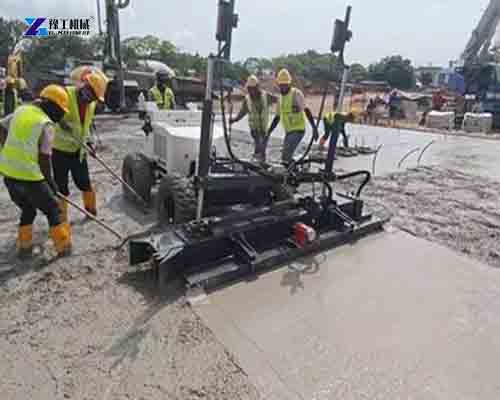
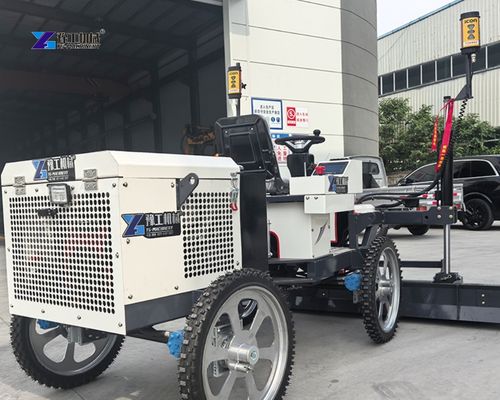
A concrete laser leveling machine is equipment used to level and smooth large concrete floors. It uses a laser transmitter to establish a reference plane. The machine adjusts its screed head automatically to match this plane. This process creates a floor that is both flat and level. It is an important part of modern concrete and floor equipment for warehouses, factories, logistics centers, and other large construction projects.
The laser receiver on the screed head sends signals to a control box. This box adjusts the screed height in real time. The result is much better than manual methods. It works faster too. 【WhatsApp/WeChat/Skype/Phone】+86 159 3715 2330
YG Concrete Laser Leveling Machine Specifications-OEM Support
| Engine Model | Generator set | GX390 Electric start | GX390 Electric start | GX390 Electric start |
| Power | 2.0 kW | 13 hp / 3600 rpm | 13 hp / 3600 rpm | 13 hp / 3600 rpm |
| Fuel Tank (L) | 14.5 | 6.5 | 6.5 | 6.5 |
| Drive Type | Motor | Hydraulic motor | Hydraulic motor | Hydraulic motor |
| Running Mode | Infinitely variable speed | Handle control, stepless speed | Handle control, stepless speed | Handle control, stepless speed |
| Running Speed | 0-36 m/min | 0-45 m/min | 0-65 m/min | 0-45 m/min |
| Suggest Work Speed | 5 m/min | 5 m/min | 5 m/min | 5 m/min |
| Screed Head Type | Self-leveling | Electric control, self-leveling | Self-leveling | Hydraulic control, self-leveling |
| Screed Width | 2500 mm | 2500 mm | 2500 mm | 2500 mm |
| Exciting Force | 500 N | 500 N | 500 N | 500 N |
| Vibration Frequency | 50 Hz | 50 Hz | 50 Hz | 50 Hz |
| Laser Control Type | Microcomputer laser scan | Microcomputer laser scan | Microcomputer laser scan | Microcomputer control |
| Operation Mode | Walk-behind | Walk-behind | Walk-behind | Walk-behind |
| Forward / Reverse | Handgrip control, stepless | Hydraulic control | Handgrip control, stepless | Hydraulic control |
| Working Size (mm) | 2758*2622*1980 | 2740*2659*1980 | 2578*2643*1980 | 2780*2622*1980 |
| Weight (kg) | 295 | 365 | 380 | 410 |
Contact Our Experts to Choose Models
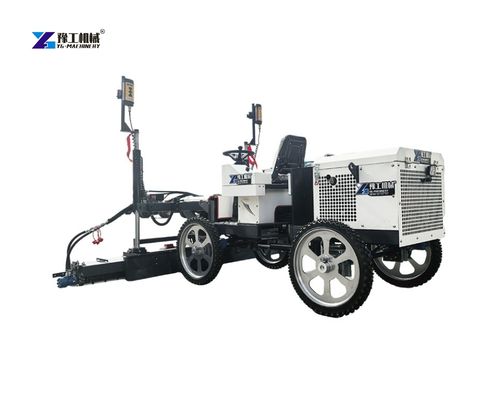
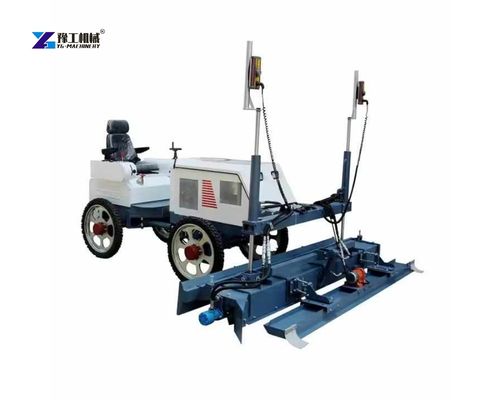
3 Features of Concrete Floor Leveling Machine
Modern concrete laser leveling machines are built for tough jobs. They come with advanced parts from trusted brands.
Engine and Power
Most machines use diesel or gasoline engines. They need strong and reliable power. Many use well-known engines like Yanmar. These are 4-cylinder, liquid-cooled diesel engines. They run for long hours without stopping.
- Power range: usually between 18kW to 63kW
- Fuel type: diesel for large machines; gasoline for smaller walk-behind models
Laser System
The laser system is the heart of the machine. Top brands like Trimble and Leica are often used. These systems handle flat surfaces, slopes, or double slopes.
- Accuracy: laser control is very precise
- Range: laser transmitters work over a large area
- Reliability: these systems work well on harsh construction sites
Screed Head and Vibration
The screed head does the actual leveling. It has a vibrating beam that compacts and smooths the concrete.
- Leveling width: standard widths range from 2.4m to 4m
- Vibration frequency: around 60Hz helps concrete settle properly
- Exciting force: often around 2000N to 3000N
Drive and Steering
These machines move easily on wet concrete. They use full hydraulic drive for smooth and safe movement.
- Drive type: hydraulic motors drive all wheels
- Steering: options include front-wheel, 4-wheel, and crab steering
- Speed: working speeds are slow and controlled
6 Applications for a Concrete Floor Leveling Machine
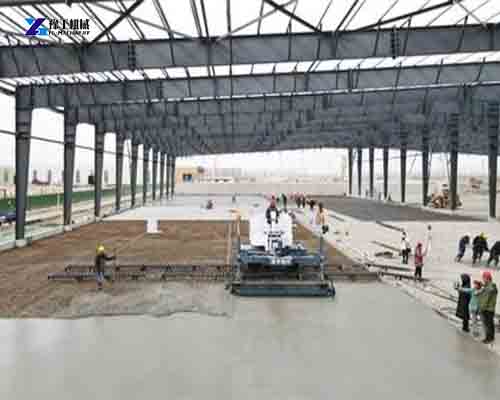
A concrete laser leveling machine is used in many projects. It is best for large, open spaces that need a very flat floor.
- Warehouses: smooth floors allow forklifts to move fast and safely
- Factories: flat floors help machines work properly
- Logistics Centers: easy movement of goods depends on good floors
- Airports: runways and hangars require the highest standards
- Commercial Buildings: malls need attractive, durable floors
- Parking Structures: level floors help with drainage
How to Choose the Right Concrete Laser Leveling Machine
Selecting the correct model is important. Here is a simple guide to help you choose.
1. Consider Your Floor Size
For very large projects, a ride-on, boom-type machine is best. It covers more area per hour. For smaller jobs, a walk-behind model may be enough.
2. Check Accuracy Requirements
Most machines achieve flatness of 1.5mm to 2.0mm. If your project needs FM2 standard floors, a laser-guided system is essential.
3. Look at the Power Source
Diesel is best for large, heavy-duty jobs. It offers long runtime and high torque. Gasoline is good for lighter tasks in smaller machines.
4. Check the Screed Width
A wider screed (4 meters) means more area covered per pass. This is faster. A narrower screed (2.4 meters) may be better for smaller spaces.
5. Think About Maneuverability
Look for crab steering. This allows the machine to move sideways. It is very useful in tight spots or near walls.

Comparison: Laser vs. Traditional Leveling
- Speed: concrete laser leveling machine is much faster than doing things by hand
- Accuracy: you get a very flat floor, hard to get with pipes and straightedges
- Labor: fewer workers are needed, saving money
- Cost: higher initial cost but you save on labor and time long-term
Frequently Asked Questions About Concrete Laser Screed Machines
Q1: What is the daily output?
A typical machine levels 200 to 400 square meters per hour. Boom-type machines work faster than walk-behind types.
Q2: What is the lead time?
Delivery usually takes 30 to 45 days after order confirmation. This can be shorter if the model is in stock.
Q3: What is the MOQ?
Most suppliers have an MOQ of one set. This is good for contractors buying their first machine.