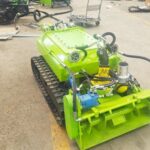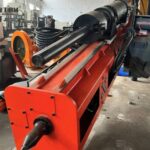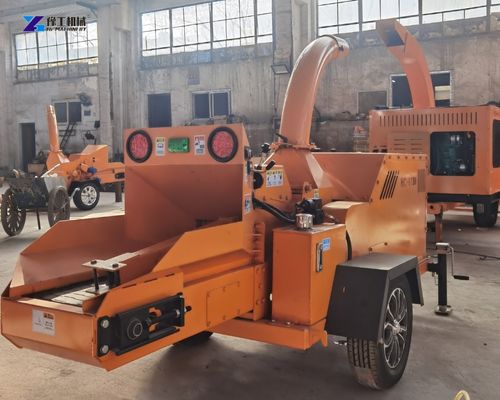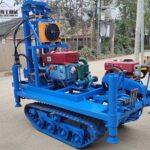
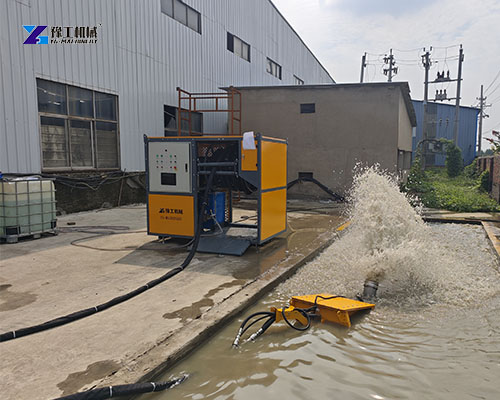
Irrigation ponds, decorative lakes, and wastewater lagoons across the Middle East accumulate sludge and sediment that reduce water storage capacity and degrade water quality. High temperatures accelerate algae growth while wind-blown sand settles on pond bottoms. Traditional dredging methods require draining the pond or using large excavators, both disruptive and expensive. YG Machinery’s small pond dredging equipment operates underwater without draining, removing sludge while the pond remains in use. These remote-controlled robots have gained attention in Qatar’s agricultural and landscaping sectors. 【WhatsApp/WeChat/Skype/Phone】+86 159 3715 2330
YG Small Pond Dredging Equipment Core Parameters
| Parameter | YG500 | YG600 | YG700 | YG800 | YG900 | YG1200 |
| Robot Dimensions (mm) | 1500*500*650 | 1500*600*650 | 1600*700*650 | 1600*850*700 | 1650*960*750 | 1900*1200*750 |
| Dredging Width (mm) | 500 | 600 | 700 | 800 | 900 | Suitable for large culverts |
| Travel Speed (m/s) | 3–15 | 3–15 | 3–15 | 3–15 | 3–15 | 0–17 m/min |
| Pump Diameter (inch) | 3 | 3 | 4 | 4 | 4 | 4or6 |
| Pump Flow (m³/h) | 100 | 100 | 160 | 160 | 200 | 250 |
| Pump Head (m) | 0–30 | 0–30 | 0–25 | 0–25 | 0–25 | 0–30 (Horizontal: 100–150m) |
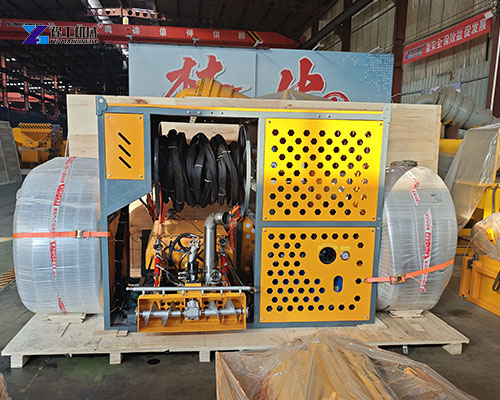
| Hydraulic Station Dimensions (mm) | 2200*1200*1700 | 2200*1200*1700 | 2200*1200*1700 | 2200*1200*1700 | 2200*1200*1700 | 2120*1240*1200 |
| Main Motor Power (kW) | 18 | 18 | 22 | 22 | 22 | 45KW (50KW) or Diesel 76KW (123KW) |
| Hydraulic System Pressure (Mpa) | 0–16 | 0–16 | 0–16 | 0–16 | 0–16 | Not specified |
| Particle Size (mm) | 15 | 15 | 40 | 40 | 50 | 0–40 (customizable) |
| Winch Speed (r/min) | 0–10 | 0–10 | 0–10 | 0–10 | 0–10 | 0–10 |
| Pipe Length (m) | 30–50 Optional | 30–50 Optional | 30–50 Optional | 30–50 Optional | 30–50 Optional | 30m/pack, 20kg pressure-resistant, optional |
| Control System | Wireless Remote | Wireless Remote | Wireless Remote | Wireless Remote | Wireless Remote | Wireless Remote |
| Lighting System | Underwater LED*2 | Underwater LED*2 | Underwater LED*2 | Underwater LED*2 | Underwater LED*2 | Underwater LED*2 |
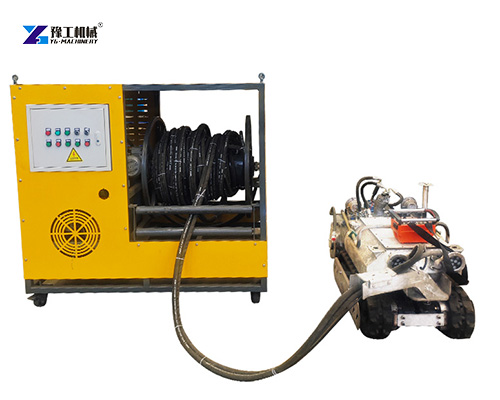
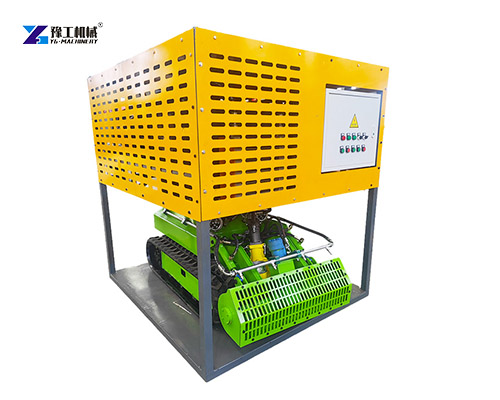
Case Study One: Qatar – Agricultural Irrigation Pond Cleaning
Client Background
A Qatari farm operation maintains three irrigation ponds totaling 12,000m² of water surface. These ponds supply drip irrigation for 40 hectares of vegetable crops. Over five years, sediment accumulation from wind-blown sand and organic matter reduced storage capacity by 30%, threatening crop production during peak summer months.
Client Challenge
The farm manager needed to remove 1.2 meters of accumulated sludge without draining the ponds or interrupting irrigation schedules. Traditional excavator dredging would require pond dewatering, which is impossible during the growing season. Manual removal with pumps and hoses was labor-intensive and left significant residual sediment. The client sought small pond dredging equipment that could operate underwater while the ponds continued to supply irrigation water.
YG Solution
YG supplied the YG800 small pond dredging robot with 800mm dredging width and 160m³/h pump flow. The 22kw motor provides sufficient power for Qatar’s fine sand and organic sludge mixture. The 40mm particle size capacity handles typical pond sediment without clogging. The wireless remote control allows operators to work from the pond bank, keeping personnel out of the water. The sludge cleaning robot features underwater LED lights for clear visibility in turbid conditions. YG provided 40 meters of discharge pipe for delivering sludge to a drying bed.
Client Feedback and Results
The farm manager reported the small pond dredging equipment restored full pond capacity in 18 working days. The robot removed approximately 11,000 cubic meters of sediment. The irrigation system maintained normal operation throughout the cleaning process with no interruptions. The wireless control system proved reliable in Qatar’s high-temperature conditions. The farm plans to use the equipment for annual maintenance cleaning.
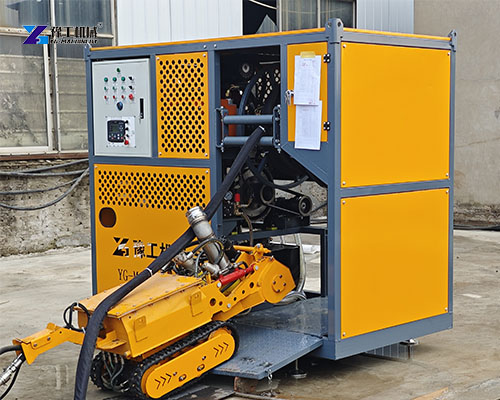
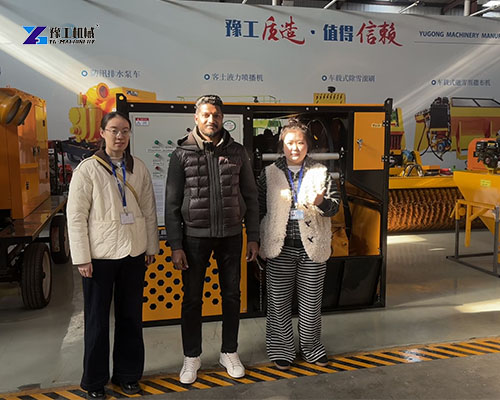
Case Study Two: Jordan – Resort Decorative Lake Restoration
Client Background
A Jordanian resort features a 2,500m² decorative lake as a centerpiece for guest accommodations and dining areas. The lake supports ornamental fish and aquatic plants. Years of organic debris accumulation and windblown dust created murky water conditions and reduced depth from 2.5 meters to 1.8 meters.
Client Challenge
The resort management needed sediment removal that would not disturb guests or damage the delicate lake ecosystem. Draining the lake was unacceptable for aesthetic and operational reasons. The cleaning operation had to occur without generating visible turbidity or harming fish populations. The client needed small pond dredging equipment that could operate quietly and remove sediment selectively from specific areas.
YG Solution
YG recommended the YG700 small pond dredging robot with 700mm dredging width and 160m³/h pump flow. The 4-inch pump handles organic sludge and fine sediment efficiently. The 0–25m pump head provides adequate pressure for discharging sludge 80 meters to a drying area away from guest view. The underwater robot’s LED lighting system allowed operators to identify sediment accumulation zones via camera feedback. The sludge cleaning robot’s 3–15m/s travel speed enables precise navigation around decorative rocks and aquatic planting areas.
Client Feedback and Results
The resort maintenance supervisor confirmed the small pond dredging equipment restored lake depth to 2.5 meters in 10 working days. Water clarity improved noticeably within two weeks. The operation produced minimal disturbance to guests; the robot’s quiet operation and remote control meant cleaning occurred during the day without disruption. The fish population remained stable, with no observable mortality. The resort added the robot to their annual maintenance schedule.
Why Do Ponds Need Regular Dredging?
- Loss of storage capacity – Sediment buildup reduces pond depth and water volume, limiting irrigation supply and increasing drought risk.
- Algae overgrowth – Nutrient-rich sediment releases phosphorus and nitrogen, fueling excessive algae blooms that turn water green and foul-smelling.
- Oxygen depletion – Decaying organic matter consumes dissolved oxygen, harming fish and beneficial aerobic bacteria essential for pond health.
- Weed proliferation – Shallow water allows sunlight to penetrate to the bottom, encouraging rooted aquatic weed growth that clogs intake pipes and pumps.
- Increased treatment costs – Murky water with high suspended solids requires more filtration and chemical treatment, raising operational expenses.
- Shortened pond lifespan – Without regular removal, sediment accumulation gradually fills the pond, requiring expensive excavation or complete replacement.
Regular dredging with small pond dredging equipment restores depth, improves water clarity, and extends pond service life without draining or disrupting operations.
Small Pond Dredging Equipment for Sale – YG Machinery
YG Machinery offers reliable small pond dredging equipment for sale for Qatari, Jordanian, and worldwide water management projects. Our underwater robot series provides solutions for irrigation pond cleaning, lake restoration, and lagoon maintenance. Contact YG Machinery with your pond area, sediment depth, and discharge requirements. Our team provides transparent pricing, model selection support, and global shipping. 【WhatsApp/WeChat/Skype/Phone】+86 159 3715 2330
Frequently Asked Questions
Q: How deep can the small pond dredging robot operate?
The YG500 to YG900 models operate at depths up to 30 meters. The hydraulic system maintains consistent performance regardless of operating depth.
Q: Does the sludge cleaning robot damage pond liners?
The robot’s tracked movement and adjustable travel speed allow gentle operation on lined ponds. Operators can reduce speed and adjust dredging width to minimize contact pressure.
Q: What sediment types can the small pond dredging equipment handle?
The equipment handles organic sludge, fine sand, clay, gravel up to 50mm particle size, and mixed debris. The pump design prevents clogging.
Q: How long does it take to clean a typical pond?
Cleaning time depends on pond size and sediment depth. A 1,000m² pond with 0.5m sediment requires approximately 3–5 days using the YG700 model.
Q: What power source does the small pond dredging equipment require?
The electric models require 380V three-phase power. For remote sites without grid access, the YG1200 offers diesel engine options.